Our Most-Used Destination Guides
The following titles represent our core destination coverage. Each guide runs to several thousand words of content and includes current practical logistics, interpretive analysis, and an accessibility assessment.
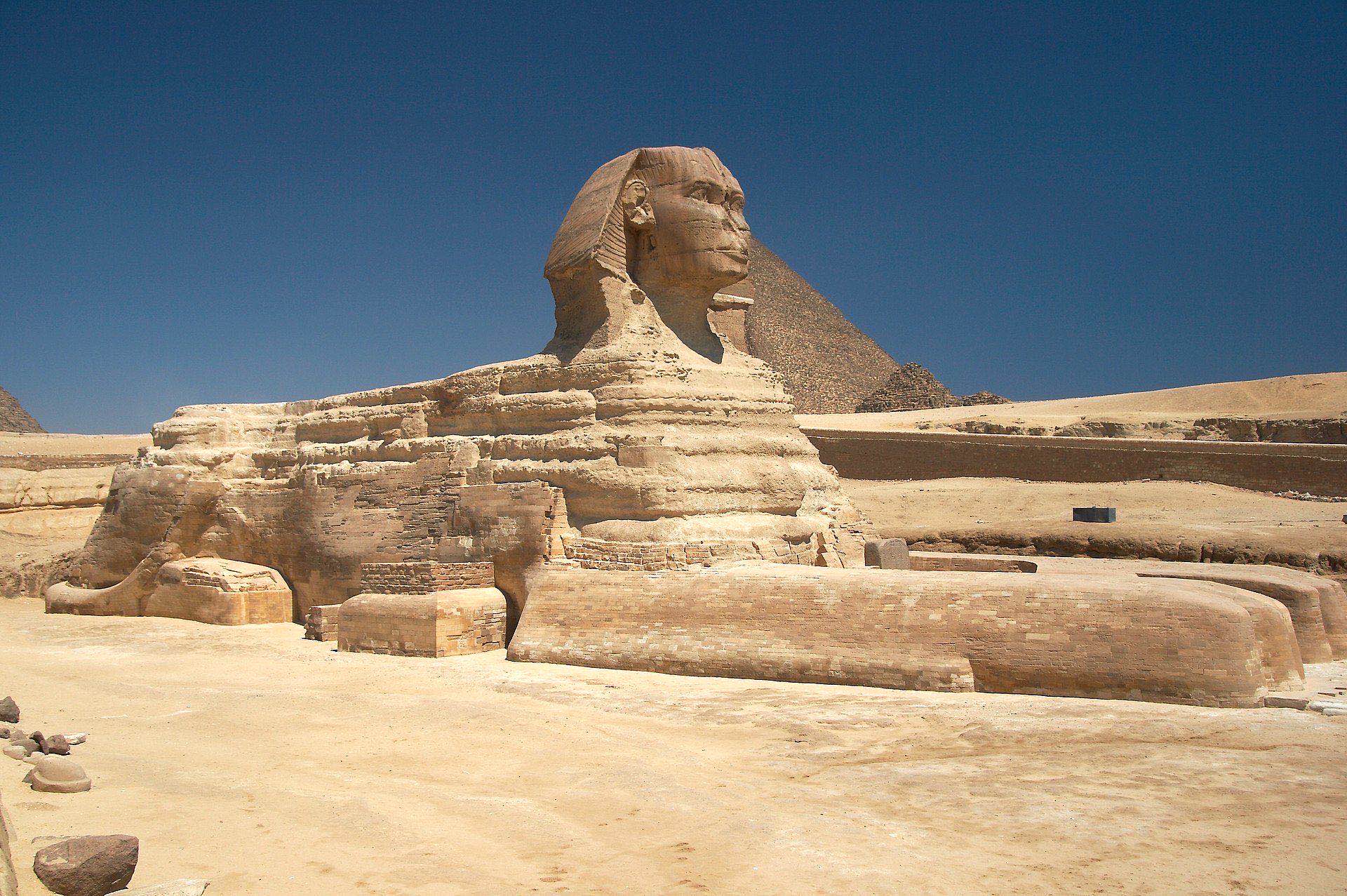
Giza Plateau Complete Guide
Covers all three pyramids of the Fourth Dynasty, the Great Sphinx and Sphinx Temple, the Solar Boat Museum, the Valley Temple of Khafre, the Eastern and Western Cemeteries, and the adjacent Saqqara and Memphis sites. Includes crowd management strategy, suggested arrival windows by month, and photography guidance. Last updated May 2026.
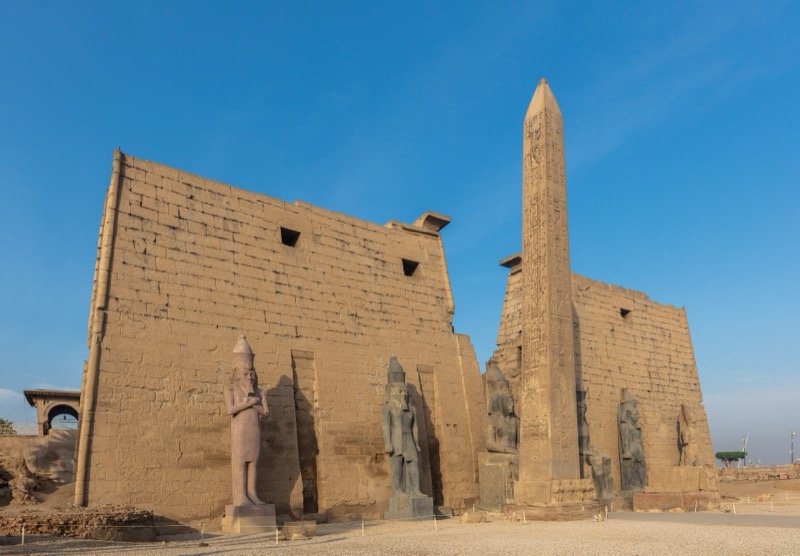
Luxor and Karnak Temples
Two of the most significant temple complexes in the ancient world, three kilometres apart and connected by the Avenue of Sphinxes. Our guide covers both sites in full, including the timed evening sound-and-light sequence at Karnak, optimal routing through the hypostyle hall, and the newly restored sections of the processional way. Last updated April 2026.

Cairo Museum Collections
Two major institutions: the Egyptian Museum in Tahrir Square (over 120,000 objects, opened 1902) and the Grand Egyptian Museum on the Giza Plateau (the world's largest archaeological museum, fully opened 2023). Separate guides for each building with gallery-by-gallery priority maps. Last updated March 2026.
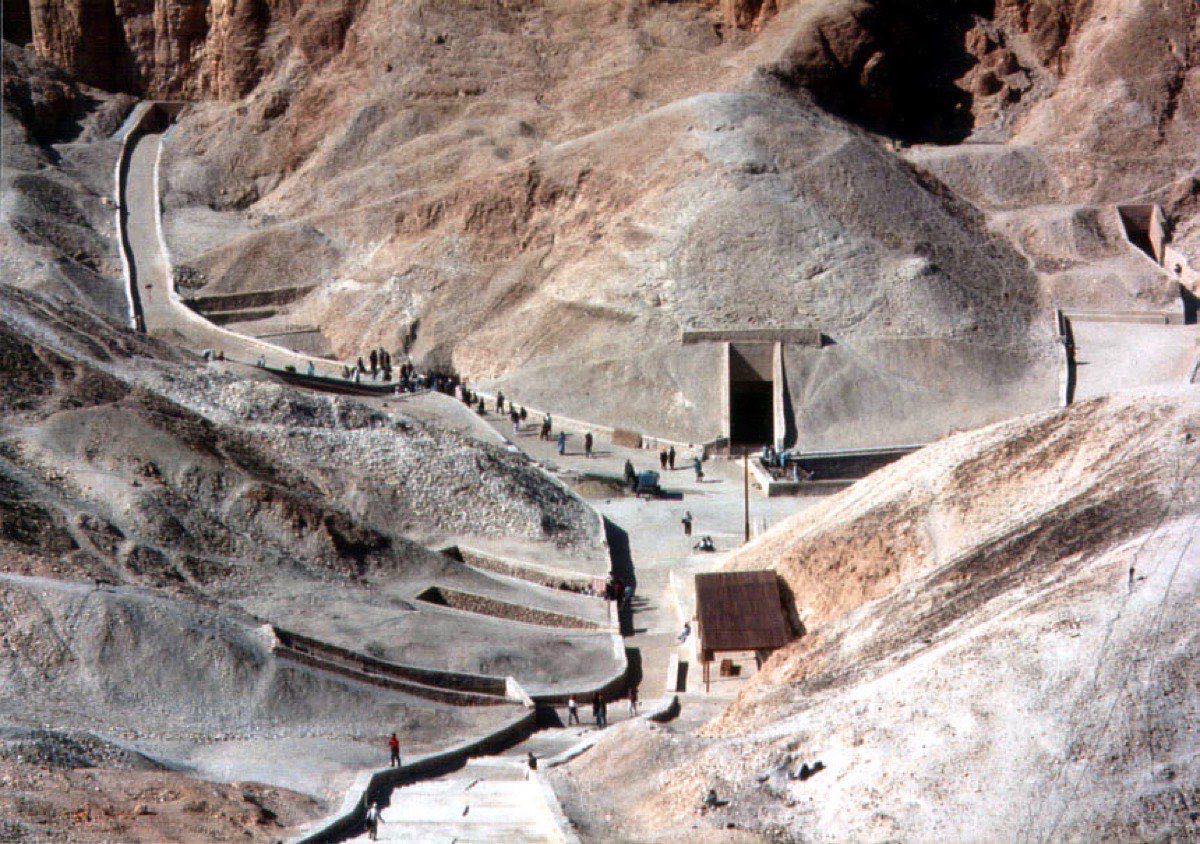
Valley of the Kings and West Bank
The royal necropolis of the New Kingdom pharaohs. Covers all currently open tombs (KV62 Tutankhamun, KV9 Ramesses VI, KV11 Ramesses III, KV17 Seti I, and more), plus Deir el-Bahari, Medinet Habu, the Colossi of Memnon, and the Valley of the Queens. Tomb access status verified monthly. Last updated June 2026.

Aswan and Abu Simbel
The southernmost major archaeological zone in Egypt, from the Philae Temple (accessible only by boat) through the Nubian Museum in Aswan to the relocated temples of Abu Simbel at the shore of Lake Nasser. Covers the Abu Simbel solar alignment events of February and October and the logistical considerations for reaching these remote sites. Last updated April 2026.
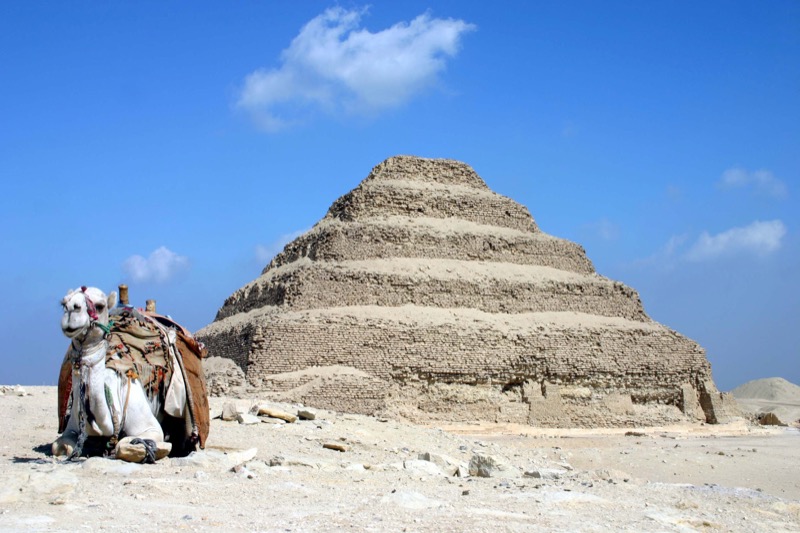
Saqqara and the Memphis Necropolis
Egypt's oldest and largest burial ground, covering over seven kilometres north to south. Contains Djoser's Step Pyramid (the world's oldest free-standing stone structure), the Serapeum, and the recently excavated shaft tombs that have yielded one of the most significant finds of the past decade. Access conditions change frequently due to ongoing excavation. Last updated May 2026.
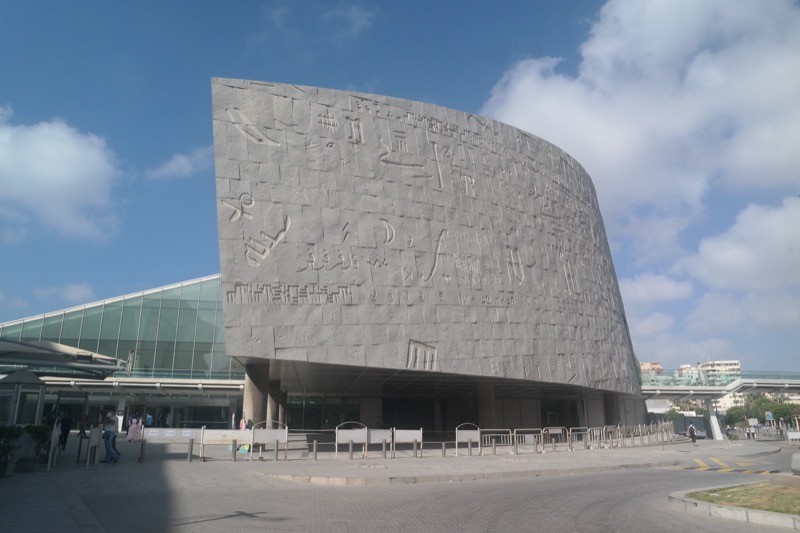
Alexandria Heritage Guide
The Mediterranean city founded by Alexander the Great in 331 BCE. Guide covers the Bibliotheca Alexandrina and its annexed museum cluster, the Catacombs of Kom el-Shoqafa (Roman-period), Pompey's Pillar, the Citadel of Qaitbay, the Graeco-Roman Museum, and the recently developed waterfront corniche with its Byzantine and Medieval layers. Last updated February 2026.

Karnak Temple: Room-by-Room
The Karnak complex spans over two kilometres and represents 1,300 years of continuous construction. This dedicated sub-guide focuses on navigation — how to sequence the Precinct of Amun-Re, the Festival Hall of Thutmose III, the Sacred Lake, the smaller precincts of Mut and Montu, and the Open Air Museum. Includes the current Karnak Sound and Light Show schedule. Last updated April 2026.

Nobles' Tombs and Private Cemeteries
Often overlooked by visitors focused on the royal tombs, the West Bank Nobles' Tombs — including those of Nakht, Menna, Sennefer, and Rekhmire — preserve the most vivid scenes of daily New Kingdom life in existence. Smaller, quieter, and frequently more legible than the royal tombs. Access conditions and open tombs verified quarterly. Last updated May 2026.
Planning Support Beyond the Guides
In addition to our guide library, we provide direct planning support for visitors with complex itineraries or specific research objectives.
Standard Guide Access
Digital access to our full guide library for a single trip, including automatic updates during your membership period. Suitable for independent travellers planning a defined itinerary. Access is available immediately on subscription and includes all currently published guides across all Egyptian governorates. See pricing for membership tiers and inclusions.
Planning Consultation
A 60-minute video or email-based consultation with one of our researchers to review your proposed itinerary and receive tailored recommendations. Particularly valuable for visitors with time constraints, accessibility considerations, scholarly interests, or unusual destinations not well covered by standard tourism resources. Included in our Advanced and Expedition plans.
Research Support
For academic visitors, documentary researchers, and journalists, we provide additional support including literature reviews, contact introductions to site managers and Egyptologists, and background briefings on active excavations at major sites. Available as an add-on to the Expedition plan or as a standalone service for professional research projects.
Lesser-Known Sites Worth Your Attention
Beyond the headline destinations, our library covers dozens of sites that receive far fewer visitors than they deserve. These guides are available under Traveller and Expedition plans.
Abydos — Temple of Seti I
Located 160 kilometres north of Luxor in Sohag Governorate, Abydos was Egypt's most sacred city throughout the Pharaonic period — the burial place of Osiris and the goal of religious pilgrimage for thousands of years. The Temple of Seti I contains the finest painted relief work outside of the Valley of the Kings and is significantly less visited than the Luxor sites. The adjacent Osireion (a monument to Osiris) is architecturally unique. Transport requires a day trip from Luxor; our guide covers the logistics in full, including the combined Dendera–Abydos day route that pairs this temple with the spectacular Ptolemaic Temple of Hathor at Dendera.
Edfu — Temple of Horus
The best-preserved temple in Egypt, built between 237 and 57 BCE during the Ptolemaic period. The temple of Horus at Edfu is remarkable because its completeness — outer walls, entrance pylon, hypostyle halls, vestibule, sanctuary — makes it possible to understand the spatial logic of an Egyptian temple in a way that is impossible at partially ruined sites. The walls carry extensive texts including the Ptolemaic Myth of Horus and Osiris, essentially the complete narrative of the principal Egyptian religious cycle. 110 kilometres south of Luxor; typically visited as a Nile cruise stop or day trip.
Dahshur Pyramid Field
12 kilometres south of Saqqara, the Dahshur field contains two of the most important pyramids in Egypt for understanding the development of pyramid architecture: the Bent Pyramid of Sneferu (showing the adjustment made midway through construction when the engineers realised the angle was unsustainable) and the Red Pyramid (the first true smooth-sided pyramid, completed shortly before the Great Pyramid of Khufu at Giza). Both can be entered and are dramatically emptier than the Giza pyramids. A half-day visit easily combined with Saqqara.
How Our Update Cycle Works
Our guides are living documents, not fixed publications. The following describes how we keep them accurate across a library of 120+ individual files covering sites that change constantly.
Automatic Triggers
Certain events automatically trigger an immediate guide review: a site closure (permanent or temporary), a ticket price change verified through official channels, an access restriction issued by the Ministry of Antiquities, or a significant structural change to a site's visitor infrastructure. Our regional correspondents monitor official announcements in Arabic and flag these changes through an internal notification system. Affected guides are updated within 48 hours of a confirmed change.
Scheduled Reviews
Each guide undergoes a full review before the start of the high season (October) and before the start of the summer period (May). These reviews check all time-sensitive data, update the accessibility assessment if any physical changes have occurred, and incorporate findings from the feedback analysis. The last-updated timestamp on each guide reflects the most recent of these reviews.
Reader Reports
Members can submit corrections and observations through their account portal. These reports are reviewed weekly. Reports that identify a factual error (wrong price, incorrectly stated access status, outdated photograph restriction) are acted on immediately. Reports that reflect a difference of opinion or a transient experience (the guide said it was quiet, but it was busy on the day I visited) are recorded in an aggregate analysis used to calibrate our seasonal crowd assessments.
What We Do Not Update
Interpretive content — the historical analysis, the discussion of decorative programmes, the contextual explanation of a site's significance — is updated when scholarship materially changes the accepted understanding. We do not update these sections in response to popular press coverage or internet speculation. Our bar for revising an archaeological claim is publication in a peer-reviewed journal or official announcement from an active excavation team.