Understanding What You Are Visiting
The Giza Plateau sits on the Libyan Plateau directly west of the Nile, approximately 12 kilometres southwest of central Cairo. The plateau contains three major pyramid complexes built for the Fourth Dynasty pharaohs Khufu, Khafre, and Menkaure, each accompanied by mortuary temples, causeways, valley temples, and subsidiary pyramids for royal family members.
The Great Pyramid of Khufu (Cheops) was completed around 2560 BCE and remained the tallest human-made structure on earth for over 3,800 years. Its original height of approximately 146.5 metres has been reduced to around 138.5 metres through the loss of the outer casing stones and capstone. The pyramid contains three known chambers — the subterranean chamber, the Queen's Chamber, and the King's Chamber — connected by the ascending and descending passages and the Grand Gallery.
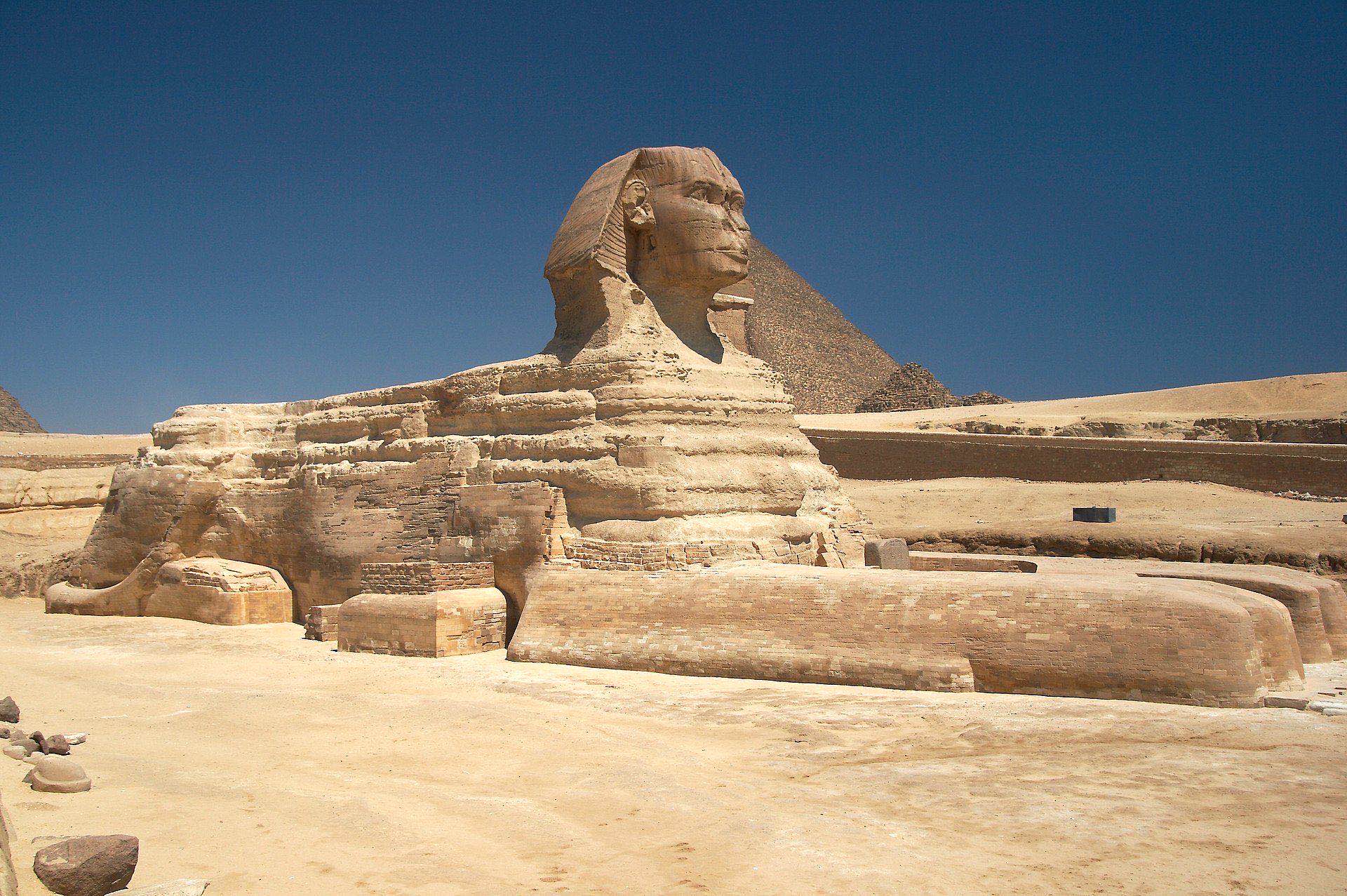
The Great Sphinx, carved from a natural limestone outcrop during the reign of Khafre around 2530 BCE, measures 73.5 metres in length and 20.2 metres in height. The face, long assumed to represent Khafre, faces due east toward the rising sun. The Sphinx enclosure has undergone significant conservation work since 2010, and access to the immediate base of the statue is now restricted to preserve the structure.
See also our guide to the Cairo Museums, where artefacts recovered from the Giza plateau are displayed in context.
Tickets, Hours, and Access
- Opening hours Daily 08:00–17:00 (winter, Oct–Apr); 07:00–19:00 (summer, May–Sep)
- Main plateau entry EGP 360 foreigners / EGP 180 students with valid ID
- Great Pyramid interior EGP 600 additional (limited daily tickets, buy at entrance)
- Solar Boat Museum EGP 200 additional (within the plateau complex)
- Camera fee Photography permitted; no extra fee for handheld cameras
- Recommended arrival At opening — first two hours are significantly quieter
- Typical visit duration 3–4 hours for main sites; full day with Solar Boat Museum
- Accessibility Main viewing areas mostly flat desert; pyramid interiors involve narrow, steep passages not suitable for limited mobility
Arrival Strategy
The Giza Plateau has two main vehicular entrances — the east entrance (closer to the Sphinx) and the west entrance (closer to the pyramid viewing plateau). If your primary interest is seeing all three pyramids from the classic panoramic angle, use the west entrance. If you prioritise the Sphinx and Valley Temple, use the east entrance and work backward.
Most organised tours arrive from approximately 09:30 onward. The period between 08:00 and 09:30 is dramatically quieter and allows photography without crowds. By midday, particularly in October through February, the plateau can hold thousands of visitors simultaneously.
The plateau vendors and camel-ride operators operate outside the ticketed area and also within it near certain viewing areas. Firm but polite refusal is standard practice; there is no obligation and no need to engage. Our guides include specific notes on which areas attract the most persistent approaches.
What to See and in What Order
Great Pyramid of Khufu
The largest of the three and the only one of the Seven Ancient Wonders still standing. The interior chamber visit is physically demanding — the ascending passage is approximately 1.2 metres high and the climb to the King's Chamber involves a sustained stoop. If you choose to enter, bring water and allow 45–60 minutes. The granite sarcophagus in the King's Chamber is undraped and can be photographed.
Pyramid of Khafre
The second pyramid, often appearing taller than Khufu's because of its higher ground position and the retention of some original casing at the apex. The interior is less visited and involves a shorter, less demanding descent. The mortuary temple at the pyramid base and the associated valley temple (near the Sphinx) are among the best-preserved examples of Old Kingdom funerary architecture on the plateau.
Pyramid of Menkaure
The smallest of the three royal pyramids, built for the Fifth Dynasty pharaoh Menkaure. Its three subsidiary pyramids are among the most instructive on the plateau for understanding the construction sequencing of pyramid complexes. The valley temple was still being finished at the time of the pharaoh's death and provides visible evidence of the rush to complete it using mudbrick rather than limestone.
The Great Sphinx and Enclosure
View the Sphinx from the main viewing terrace (included in the main ticket). Access to the floor of the enclosure is limited; the closest approach to the base of the statue is controlled. The Sphinx Temple immediately east of the monument is best viewed from the terrace above — the limestone blocks here are among the largest on the plateau, each weighing 50–200 tonnes.
Solar Boat Museum
Housing the reassembled funerary boat of Khufu, discovered in 1954 in a sealed pit adjacent to the Great Pyramid. The boat — 43.4 metres long and constructed from Lebanese cedar without a single metal nail — is displayed in climate-controlled conditions. A second boat was found in an adjacent pit in 1987 and is currently under ongoing excavation. One of the most remarkable single objects in Egyptian antiquity.
Eastern and Western Cemeteries
The plateau surrounding the royal pyramids contains hundreds of mastaba tombs of court officials, priests, and royal family members. Several are open to the public on a rotating basis and contain among the finest painted relief work of the Old Kingdom. Ask at the ticket office which mastabas are currently accessible — access changes seasonally as conservation work progresses.
For artefacts from Giza now in museum collections, see our dedicated Cairo Museums guide. For planning a multi-day Greater Cairo itinerary that combines Giza with Saqqara and Memphis, consult our Visitor Essentials guide.
Giza Plateau: Visitor Questions
Planning Your Giza Visit?
Our Traveller and Expedition plan members receive a full 22-section Giza PDF guide including annotated site maps and current conservation zone restrictions. View plans or contact us for a recommendation.
Request a Plan